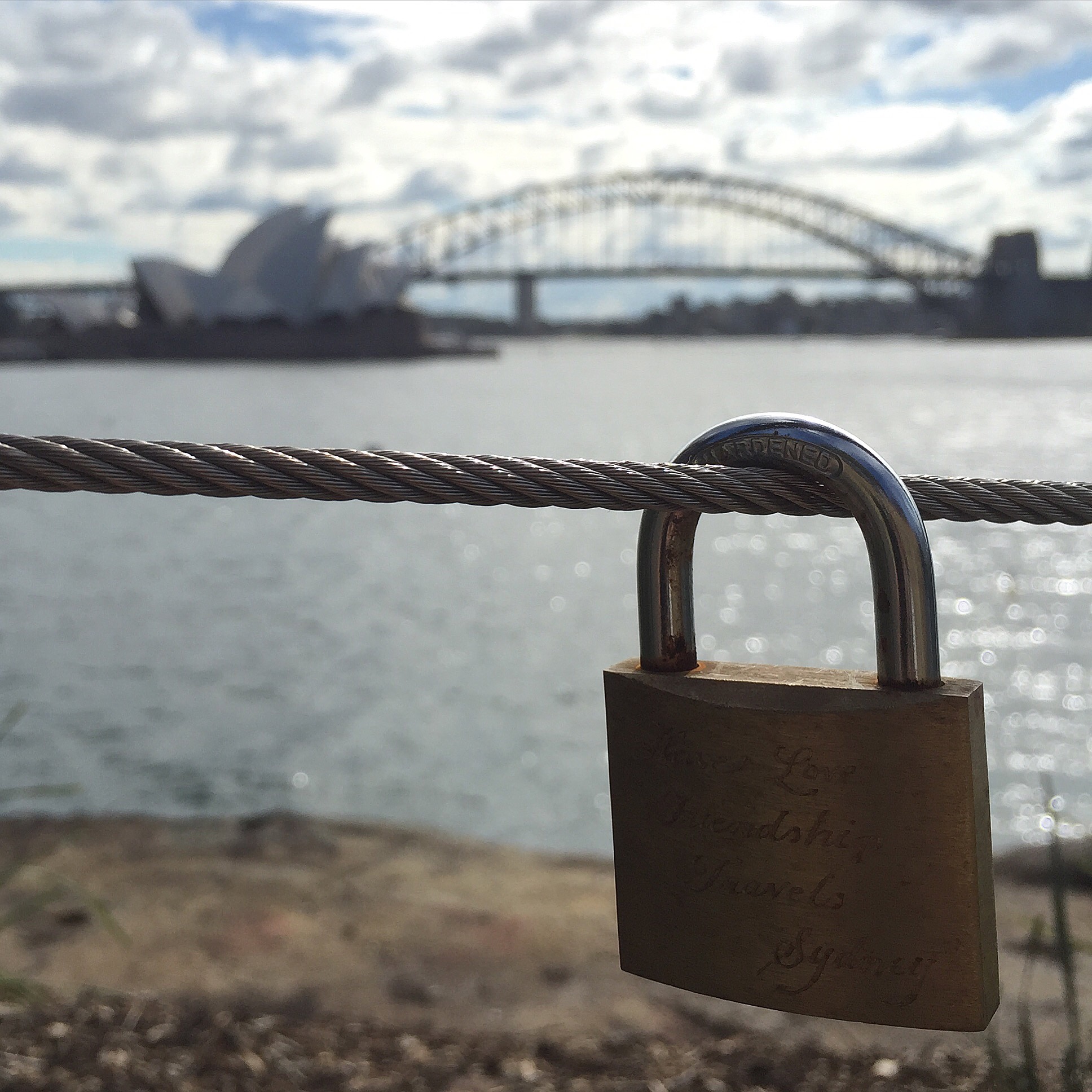
I don’t know if I qualify as being a ‘photographer’ but Aristotle said: “we are what we do repeatedly, excellence, therefore, is not a habit but an act.” I take pictures, therefore I am.
One thing I wondered before heading to Australia was “what lenses should I bring?” My first problem however was whether I took both my cameras? I have been rocking a Nikon outfit of a D5300 and a back up D3100, which gave me plenty of versatility in lenses. I would often head out with one prime lens, 35 or 50mm and a zoom lens, 18-105mm, attached to the other with a 70-300mm back up depending on where I’m going and what I’m doing. This was where my problem laid because I guess what lenses you take pretty much depend on A – what you photograph and B – what your limitation is with the amount of kit you can carry on the road but the key factor will be the duration of that trip.
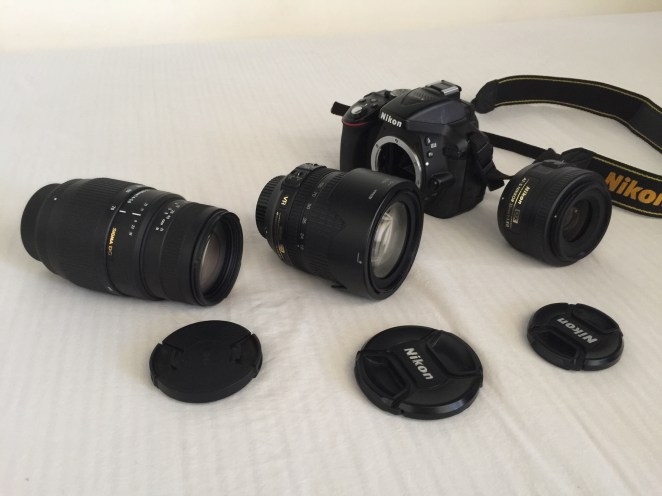
I made the early decision to ditch my D3100 as I got the D5300 purely for its wifi capability and flip screen and so left the D3100 with my friend to kindle his photographer spirit. My next consideration was ‘what did I spend the majority of my time shooting’? Mainly people and protests but I do like to go into the wild and take shots of animals too and Australia has plenty of that to photograph!
In the end I decided to bring my main three – the 35mm prime, 18-105mm zoom and the 70-300mm zoom and compromised on clothing! I am trying to make up for my Iack of a second camera (and the versatility of having two different lens set ups ready to go) by making the most of my smartphone. I have been using a Samsung S4 for the last two years and have loved it, but I am a sucker for a gimmic and the slo-mo software on the iPhone 6 proved too much, so I picked up a second hand 6 plus and ditched my iPad as a result (backpacking is all about compromising on versatility and efficiency vs weight). The key to good smartphone photos is good composition. You can make up for a lack of DSLR settings to (some degree) by good planning and composition.
If the truth be known however, when it comes to which lenses to bring remember your best zoom are your two legs and they come free, so get moving!
An easy decision was whether to bring a tripod (again depends on what you like to shoot – timelapse- light trails etc all require one) but I left my one at home with my friend to buy a lightweight one for the road, but it is something else you will have to decide upon when packing those bags for your trip.
Where does that leave me… I guess you have to think hard about what you want to shoot and how much weight you want to carry. Are you prepared to compromise on the luxury of clothes, shoes, hats etc for the range of lenses, tripods, diffusers etc and all the other Gucci kit you want to take? But before you zip that bag up for the final time and head to your international transport hub, ask yourself the question – “Do I need it or do I want it?” The answer will set you free.
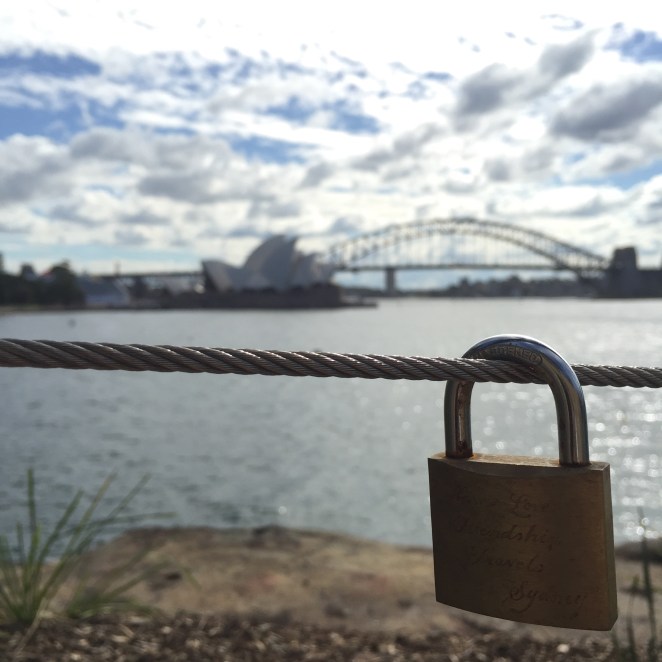
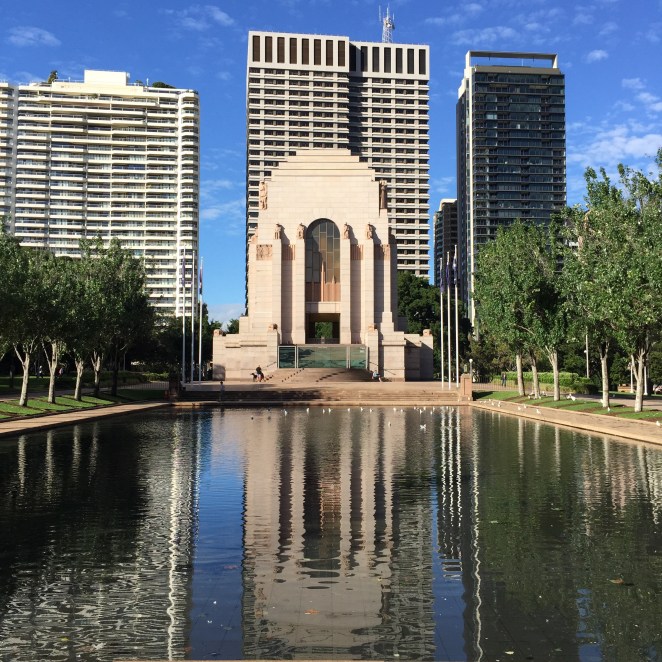
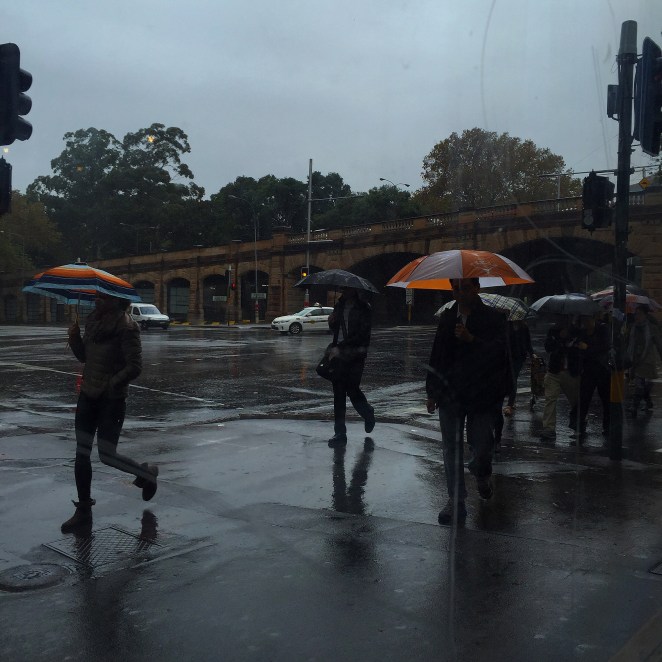
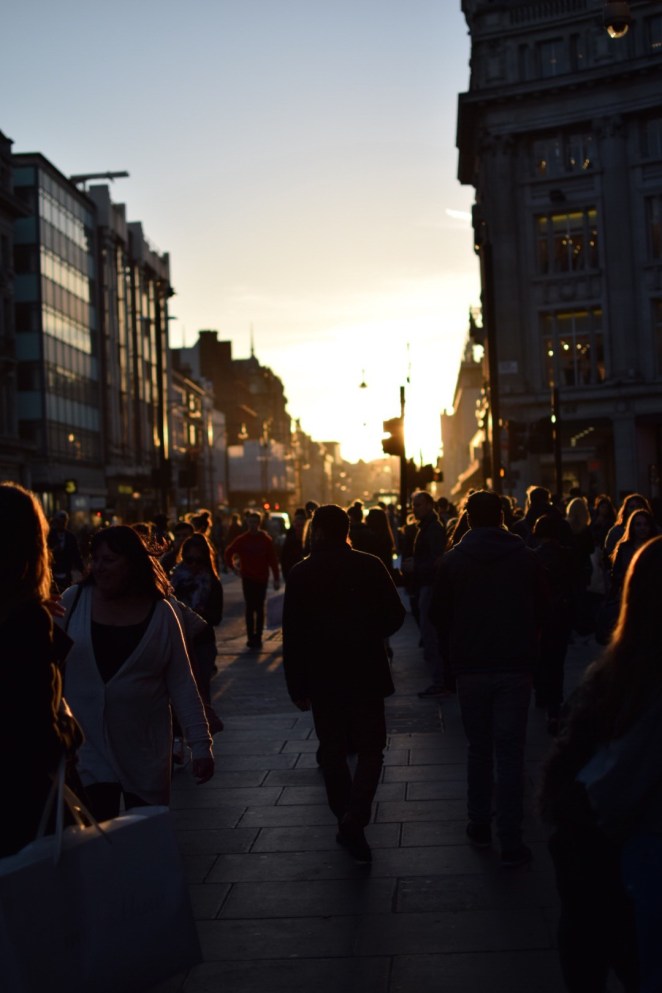
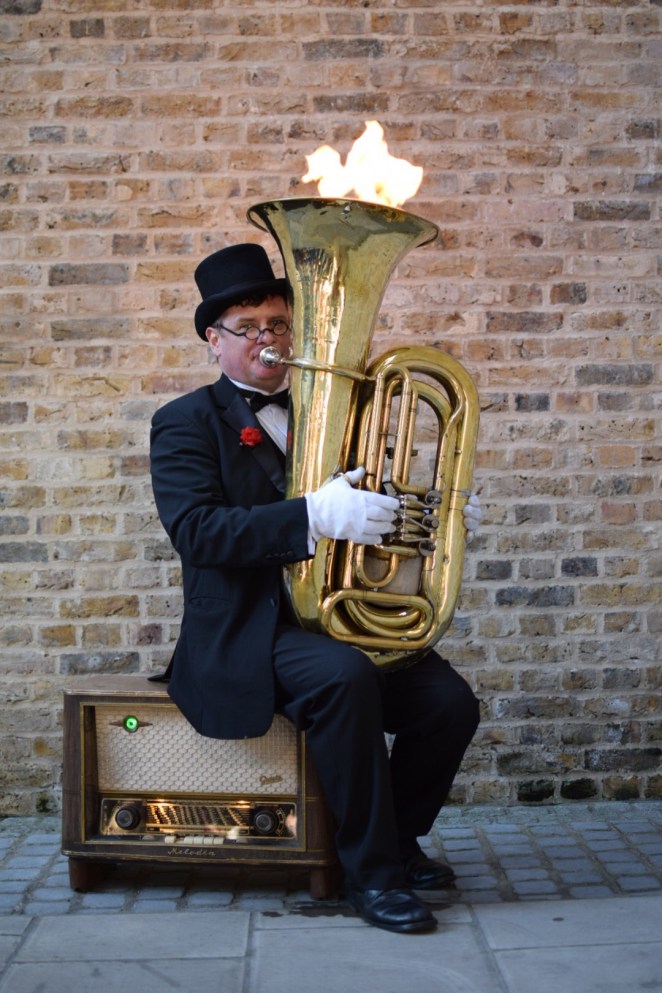
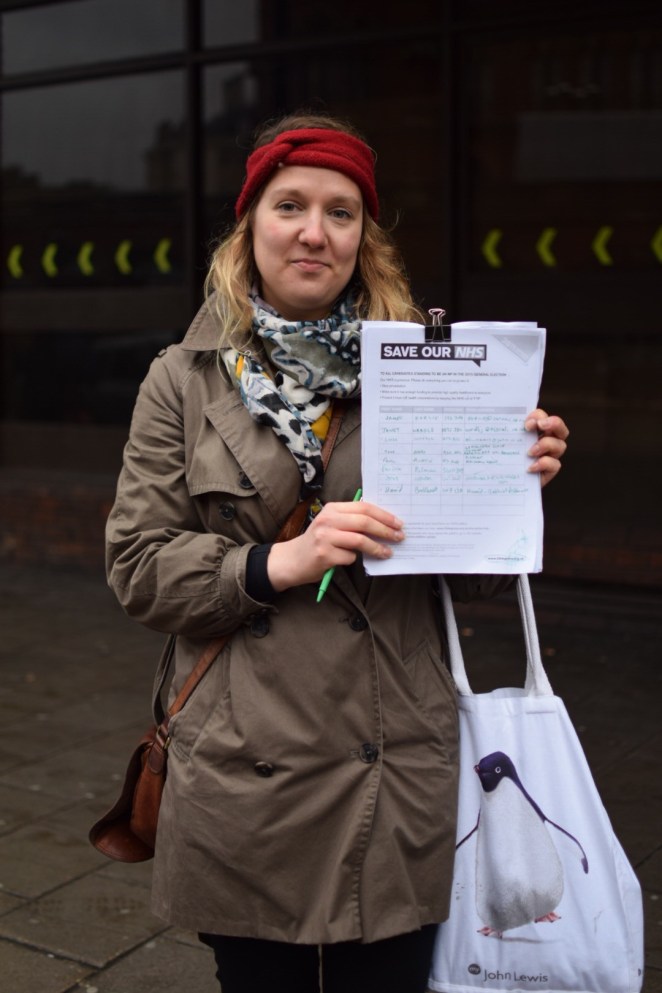
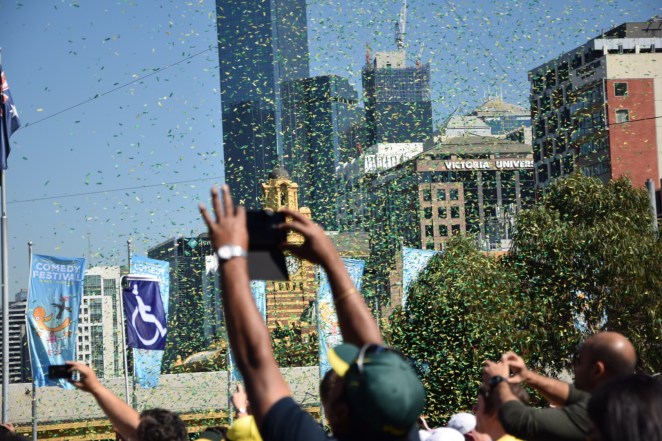
Taken on iPhone 6 Plus
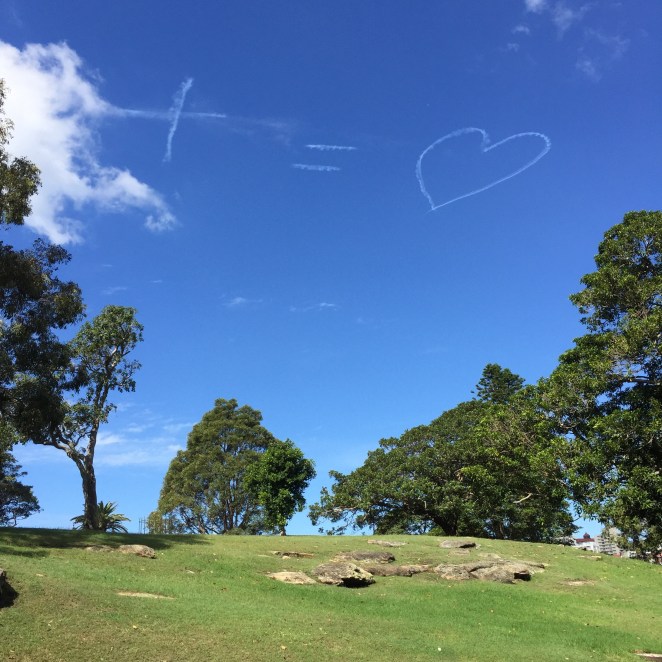
x = love

power to the peaceful

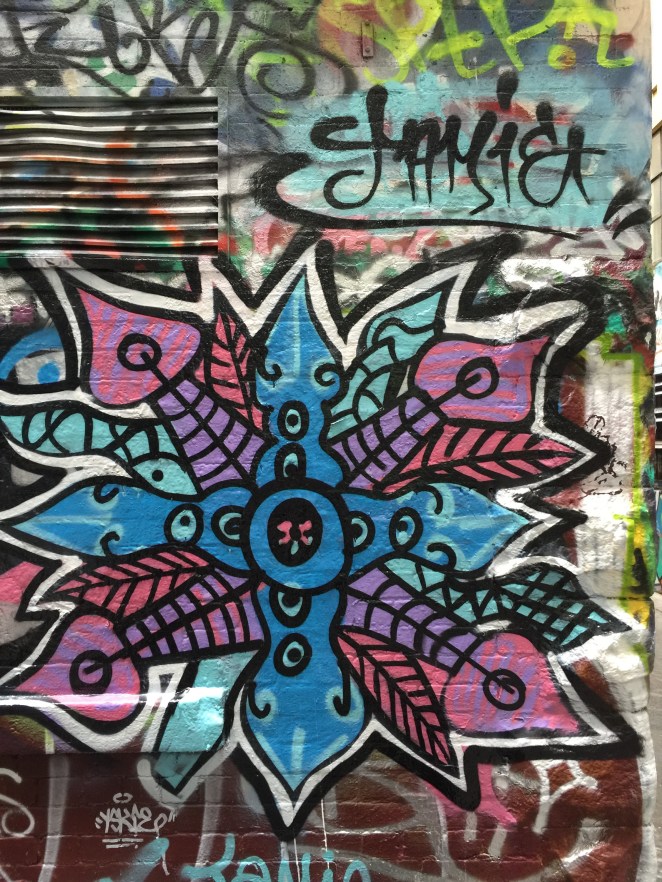
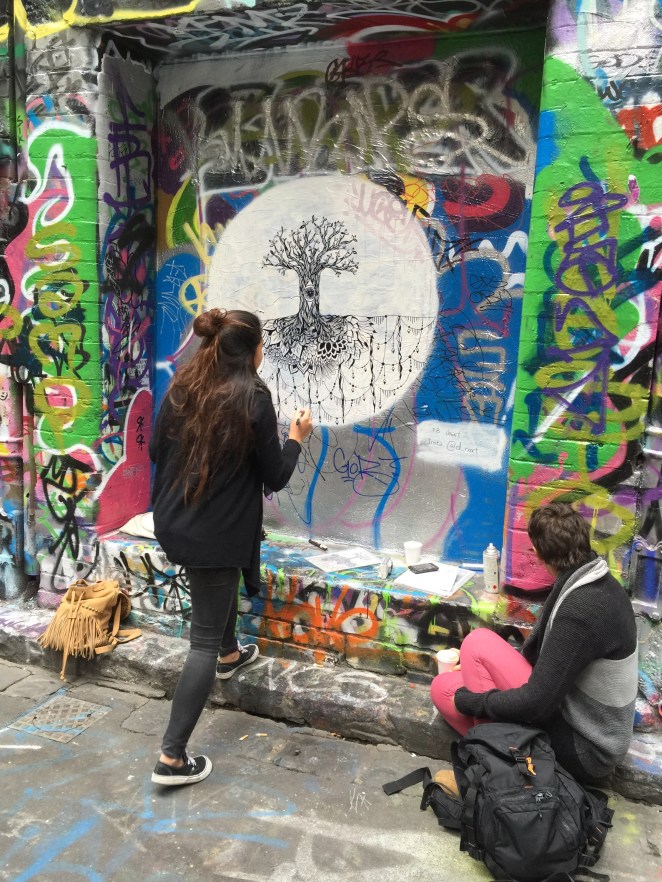
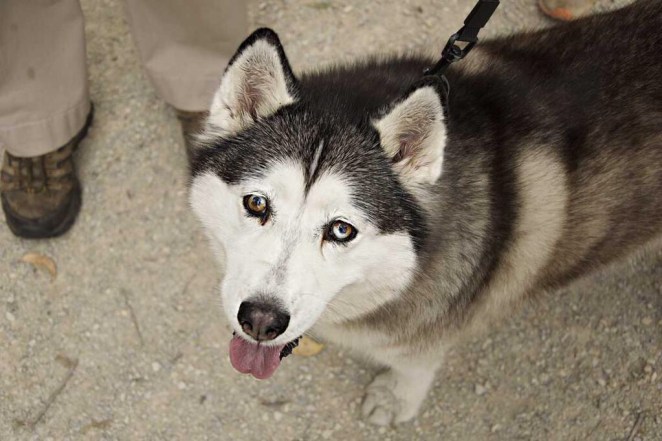
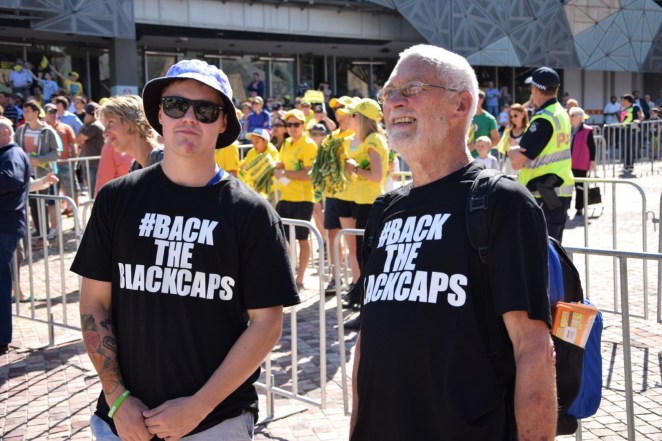
Taken on Nikon D5300
 Life In Perspective
Reblogged this on Life is Beautiful.
LikeLiked by 1 person
Good travel pictures! Do you think you could have gotten away without the telephoto?
LikeLike
Hi Eduardo, thank you. Could I have gotten away without one? Me personally, yes, I like to focus more on street photography and people and feel there is a better connection between you and the subject of your view finder if you have to get in close. You can come across some great stories and characters this way and add to the human interaction that is sorely missing from modern society. I often find in this way that I talk to more people than I photograph. There are people who like to use zooms for this, I call them snipers, but I think it takes away from the grit of being close to your subject.
In terms of animal photography, however, a zoom is a must as it enables you to be close without distribution them on their natural environment, or worse, provoking an attack! If you’re thing is nature and animals, ditch the prime and take a zoom and a wide angle.
LikeLiked by 1 person